

Learning to Live with a Dragon
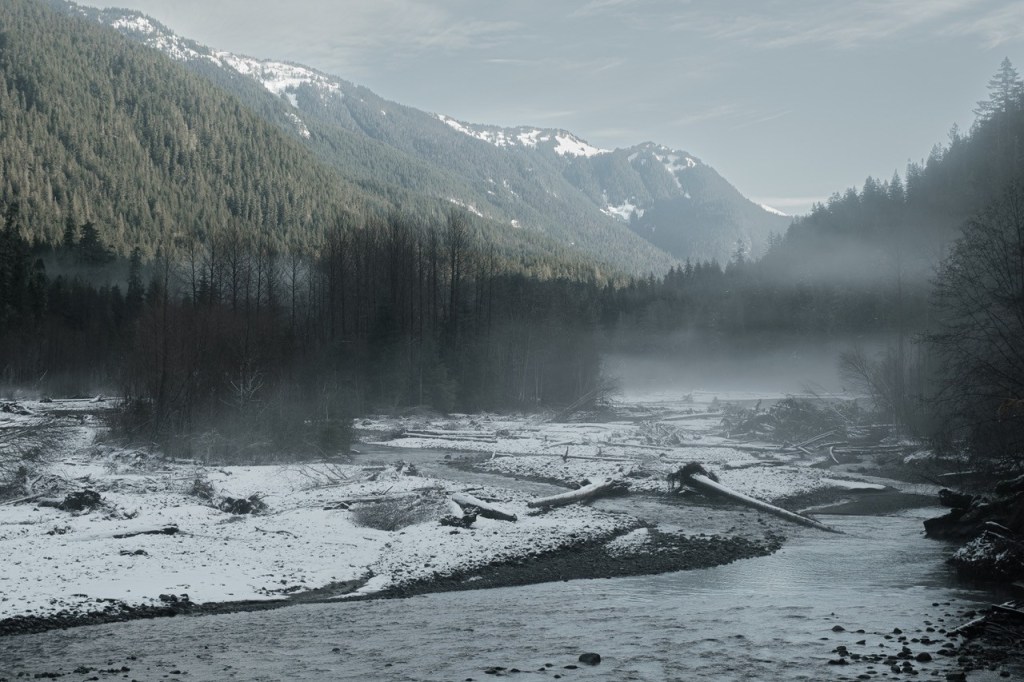
The rivers in Puget Sound are alive. How do we know? Because if they were dead, they would be still and fetid, they would not support salmon or trout, they would not host birds and insects and the cities and forests around them. They are alive and if they weren’t pinned down by roads, bridges, and levees, they would writhe and whip across their valley floors like a garden hose on a driveway.
Rivers are alive but their sense of time is on a whole different scale than ours. Run for 10,000 years? Not a problem for a river. Keep pushing when something gets in the way? Yep, the river has all the time it needs to erode barriers. Want to talk about relentless? Talk to a river if you want relentless.
To many of us, a river is more than just itself, it also has magic: magic like a dragon that undulates on the valley floor with persistent energy that carves mountains into valleys.
All the while, most people in the valley don’t realize that they share the valley with a powerful entity that most of the time just dozes in the rain and sun.
For us humans, living with a dragon requires specific skills. We enjoy her spoils most of the time, but when she flexes, we need to learn how to get out of the way.
Sadly, we have pinned her down while she dozes. She is living but constrained by roads and bridge, levees and berms, cities and development so that she can’t stretch like she used to, like she needs to, to stay alive.
We need to get smart about what it takes to live with a dragon. She may be older than the hills, but she is also getting stronger than she was 100 years ago. We know from climate change that warmer air holds more water vapor. When that increase in water vapor is squeezed out by the mountains, our river is going to burst her own riverbed as well as those constrictions we have placed on her. She is so big and so powerful that she can hurt people, flood their cities, farms, barns, homes, and businesses and can unleash years of recovery for those in harms way.
Some rivers, like the Nooksack River, are two-headed dragons. When she wakes from her slumber she can sprout another asbestos-laden flow that races north to fill the prehistoric parts of her valley in the Lake Sumas area in Canada.
In Whatcom County, the flood plan concept is to widen the funnel which means giving the Nooksack River more room to stay alive. But we also need to prepare those living in her valleys to be nimble when she flexes. Once she settles down for another nap, we need to be able to return to our lives and her bounty – which should be refreshed by her movement, not victims of it.
A Plan is Just a Plan
A plan is just a plan. An integrated floodplain plan will take decades to identify, reengineer, and make room for the river to do rivery things while leaving room for people to do peopley things. But meanwhile, everyone in the valley is already vulnerable to the next flood. Outreach, education, inspiration, and engagement must happen now and continue. The goal is not to make every single person smart on how to better constrain or make a little more room for the river, but rather to build the community’s collective capacity to avoid being hurt by the river whenever she awakes. That requires a different suite of skills than getting a technical plan across the finish line.
In concert with our plan we need to tell a story that is as good as a rumor. It must be relatable and create a framework for making sense of where we stand and where we go when times get tough. A powerful story is not technical, it is archetypical with subconscious symbolism that makes the story memorable, meme-able, that makes it fun to hear and fun to tell and retell. And we need to see ourselves in that story. The bean stock isn’t nearly as good a story without Jack.
The stories we tell ourselves about ourselves are also key to our identity, and identity is key to resilience. Our outreach and engagement strategy needs to have a compelling resilience story that reinforces and enlightens the identity of those who live in the valley. The armature of identity is the values we share. Shared values are often about self-sufficiency, about family, about sharing and caring. To see ourselves in our own story, these shared values must support and populate that story. Our story needs to show how we are survivors who are motivated and who take action that makes us safer.
In many ways, the economic life for many families in the valley is just as pinned down as the river. Finances, obligations, jobs, health, and family restrain our choices. We, too, need the ability to have a little breathing room to flex and move to stay alive.
This means that when we live with a dragon, we need to be able to evacuate safely. We need to know that our home and properties will not face major repairs when we return. We need assurances that we have quick access to savings or credit that we can tap when times get tough. And we need to know that our friends and neighbors have our backs.
If we frame our story in these ways, people will want to create places that have the capacity to be safe havens when the dragon awakes. It means that we will engage in self-help projects with our friends and families to flood-proof our homes and belongings. It means we will have evacuation plans and information available even when the power is out and the internet is down.
Yes, we must plan to widen the funnel. Yes, we must make certain that we restore river functions that keep the river alive. And yes, we must tell and retell our story to everyone in the valley: we know how to live with a dragon.

